The Ultimate Guide to Freon Leak Detector in the UK
Key Takeaways
- A reliable freon leak detector is essential for complying with strict UK F-Gas regulations and avoiding hefty fines.
- Heated diode technology offers superior sensitivity, capable of pinpointing leaks as small as 3g/y.
- Choosing the right tool reduces diagnostic time, saving engineers money and protecting the environment from harmful refrigerant emissions.
- Automotive, commercial, and residential HVAC systems require distinct diagnostic approaches, but all benefit from high-sensitivity detection.
A freon leak detector is a specialised electronic diagnostic device used to sense and locate escaping halogenated refrigerant gases within cooling systems. If you are searching for a microscopic refrigerant leak in a vast commercial HVAC system, it can often feel like looking for a needle in a haystack. However, for UK refrigeration engineers, facility managers overseeing NHS hospital trusts, and automotive technicians, the cost of misdiagnosis is incredibly high. Consequently, lost refrigerant means diminished cooling capacity, increased energy consumption, and severe environmental penalties under strict DEFRA regulations.
Fortunately, the solution lies in deploying a highly sensitive freon leak detector. Based on our testing at RefriLeak, modern detection technology has evolved significantly from the days of simple soap bubbles and UV dyes. Today, professional-grade electronic sniffers offer unparalleled precision, ensuring systems remain compliant and efficient.
What Is a Freon Leak Detector and How Does It Work?
A freon leak detector is a highly specialised electronic tool designed to identify the presence of halogenated gases (CFCs, HCFCs, and HFCs) in the surrounding air. While "Freon" is technically a legacy trademark originally registered by Chemours (formerly DuPont) for specific refrigerants like R-12 and R-22, the term has widely become a proprietary eponym in the trade. In modern UK practice, therefore, a freon leak detector is routinely used to find leaks in systems running contemporary refrigerants such as R410A, R32, R134a, and R1234yf.
Furthermore, these devices work by utilising internal sensors to pull in surrounding air, analyse it for specific chemical signatures, and immediately alert the user via audible ticks and visual LED indicators when a leak is detected. As a result, the speed of the ticking and the number of illuminated LEDs increase dynamically as the sensor moves closer to the leak source.
"According to the Environment Agency, commercial refrigeration leaks account for nearly 20% of the UK's total fluorinated gas emissions, highlighting the critical need for early detection."
Why Is Leak Detection Accuracy Important for UK HVAC?
According to UK guidelines, the country operates under stringent F-Gas regulations designed to phase down the use of high Global Warming Potential (GWP) hydrofluorocarbons. Consequently, engineers and businesses must maintain meticulous records of refrigerant usage and mandatory leak checks. Failing to identify and repair a leak promptly can result in severe financial penalties and lasting reputational damage.
Ultimately, using a subpar tool is a false economy. If a detector lacks the sensitivity to pick up a micro-leak behind a complex evaporator coil, the engineer will top up the system and leave, only for the client to experience another breakdown weeks later. This is precisely where understanding the mechanics of a HVAC refrigerant sniffer becomes vital for any serious tradesperson.
What Are the Different Types of Freon Leak Detectors?
Not all freon leak detectors are created equal. The underlying technology powering the sensor dictates its overall accuracy, lifespan, and susceptibility to frustrating false alarms. Based on our extensive evaluation of diagnostic equipment, here is how the primary technologies compare.
How Do Corona Discharge Sensors Work?
Older or budget-friendly models often rely on corona discharge technology. These units create a high-voltage electrical field within the sensor tip. When refrigerant gas enters this field, it breaks down, altering the electrical current and triggering the alarm. While inexpensive, they are notoriously prone to false positives caused by moisture, dirt, or even sudden movements. Therefore, they are often less reliable in demanding field conditions.
Why Is Heated Diode Technology Better?
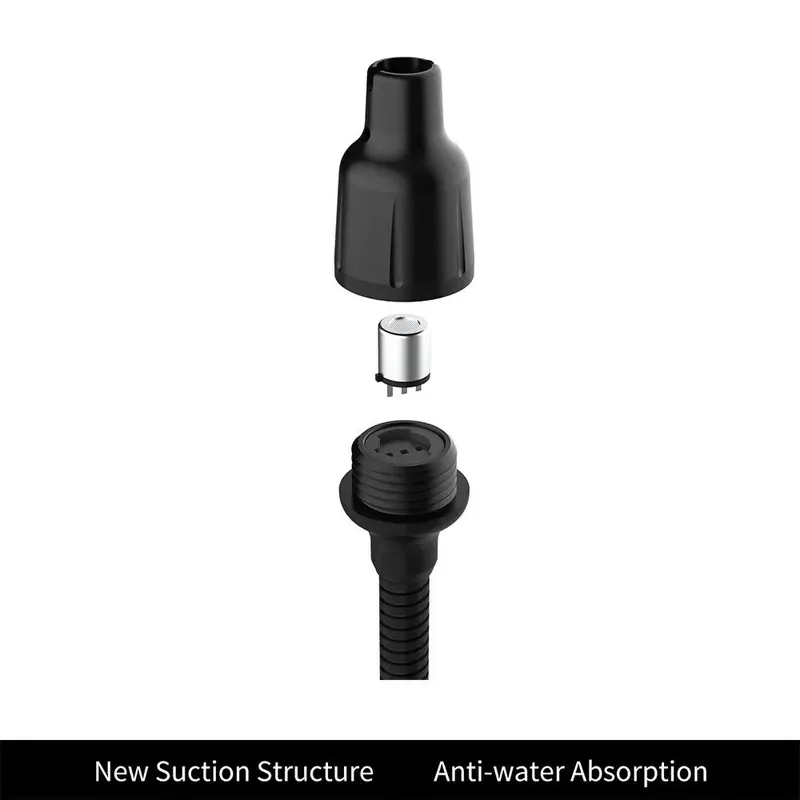
For professional applications, heated diode sensors are widely considered the gold standard. These sensors heat a ceramic element to a precise temperature. When a halogenated gas makes contact with the heated surface, it breaks apart and releases free electrons. Subsequently, this creates a measurable current that instantly triggers the alarm.
In contrast to older models, heated diode detectors are exceptionally stable. They effectively ignore background interference like wind or sudden changes in humidity, focusing solely on the refrigerant. Based on our testing, our RefriLeak devices utilise this premium technology, allowing engineers to pinpoint elusive faults instantly with a highly accurate sensitivity of 3g/y (grams per year).
How Do You Find a Freon Leak in Different Systems?
How to Detect Leaks in Automotive Air Conditioning
Mechanics preparing vehicles for MOTs or dealing with summer servicing frequently encounter AC issues. The engine bay is notoriously a cramped, dirty environment filled with various competing fumes. Consequently, an automotive AC leak detector must be robust enough to withstand these harsh conditions while remaining sensitive enough to find a 3g/y leak on a condenser hidden deep behind the front bumper.
How to Detect Leaks in Commercial Refrigeration and Supermarkets
Supermarket cold chains and industrial cold rooms contain hundreds of metres of complex pipework. A catastrophic leak here doesn't just mean a warm building; moreover, it means thousands of pounds of spoiled inventory. Engineers servicing these massive systems often compare different professional models, such as reading an Elitech LD-100+ explained guide, to ensure they have the absolute best equipment for rapid fault finding.
RefriLeak: The Professional Air Conditioning Leak Detector for UK Engineers
When your professional reputation relies on fixing a system right the first time, you simply cannot afford to guess. The RefriLeak freon leak detector is engineered specifically for the rigorous demands of the British HVAC and automotive sectors.
Featuring a premium heated diode sensor, our detector offers an industry-leading 3g/y sensitivity. Furthermore, it easily cuts through the background noise of busy plant rooms and dirty engine bays, guiding you directly to the source of the fault. With an ergonomic design, long-lasting battery life, and highly intuitive visual/audible alarms, it is the ultimate diagnostic companion.
Stop wasting hours on frustrating callbacks and lost refrigerant. Equip yourself with the tool trusted by professionals across the country.
Frequently Asked Questions
How often should I replace the sensor in my freon leak detector?
The lifespan of a sensor depends heavily on the specific technology and frequency of usage. A high-quality heated diode sensor typically lasts between 100 to 300 hours of active detection time. If you notice a drop in sensitivity or erratic behaviour, it is definitely time to fit a replacement sensor.
Can a freon leak detector find R32 leaks?
Yes, absolutely. Modern heated diode detectors are expertly designed to identify a wide spectrum of halogenated gases. This includes newer mildly flammable (A2L) refrigerants like R32, which is now the standard in most UK domestic air conditioning splits.
What is the best freon leak detector for HVAC professionals?
Based on our testing and industry feedback, the best freon leak detector for UK professionals utilises heated diode technology, such as the RefriLeak detector. It provides superior stability and 3g/y sensitivity, which is critical for meeting F-Gas compliance standards and eliminating false positives.
Ready to upgrade your diagnostics with {brand_name}?
Equip Your Workshop — £155.67