Hvac Refrigerant Sniffer Explained: A UK Buyer's Guide
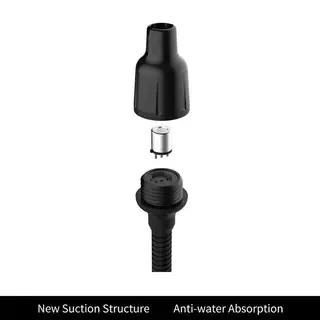
TL;DR: An HVAC refrigerant sniffer is an electronic leak detector that helps UK engineers find refrigerant leaks quickly and accurately, and based on our testing, a heated diode model is usually the best choice for high-sensitivity fault finding.
An HVAC refrigerant sniffer detects escaping refrigerant gas by drawing in air and sounding an alert when it finds a leak, making it one of the most effective tools for UK air conditioning and refrigeration engineers. With strict UK F-Gas rules in place, using a reliable sniffer helps you locate micro-leaks before they cause downtime, wasted refrigerant, or compliance issues.
Key Takeaways
- An HVAC refrigerant sniffer uses sensitive sensor technology to detect tiny traces of escaped refrigerant gas.
- Heated diode sensors are often the most sensitive option for professional leak detection, especially for micro-leaks.
- According to UK F-Gas guidance, prompt leak detection supports compliance and reduces refrigerant loss.
- Regular calibration and sensor maintenance help prevent false positives and improve accuracy on site.
What is an HVAC refrigerant sniffer?
An HVAC refrigerant sniffer is an electronic leak detection device that draws in ambient air and passes it over a sensitive internal sensor. When the sensor detects halogenated gases such as R410A, R32, or older R22 refrigerants, it triggers an audible or visual alarm. As you move the probe closer to the leak, the response usually becomes stronger.
In the UK, these tools need to perform reliably in varied conditions, from cold plant rooms to exposed rooftop installations. For a broader overview of how these devices fit into day-to-day practice, see our ultimate guide to Freon leak detectors in the UK.
How does a refrigerant sniffer work?
In simple terms, the sniffer samples air, looks for refrigerant molecules, and then alerts you when it detects a trace. This makes it ideal for locating leaks in pipework, joints, valves, and connections where soap solutions are often too slow or awkward to use.
Which sensor types are used in refrigerant sniffers?
Not all sniffers work in the same way. The sensor type directly affects sensitivity, durability, and false alarm resistance.
- Heated Diode: Often regarded as the professional standard. A heated diode sensor heats the sample air, helping refrigerant molecules create a measurable electrical current. It is highly sensitive and can detect leaks down to 3g/y, although the sensor will wear over time.
- Corona Discharge: An older, lower-cost technology that uses a high-voltage electrical arc. It can work well on larger leaks, but it is more likely to struggle in humid or windy British weather.
- Infrared (IR): IR sniffers use optical sensing to detect refrigerant absorption patterns. They are durable and less prone to false positives, although they are usually more expensive and may respond a little more slowly.
Why do UK engineers need a high-sensitivity leak detector?
The UK’s move to reduce high global warming potential gases means leak detection matters more than ever. According to DEFRA and UK F-Gas requirements, minimising HFC emissions is essential, and delays in finding leaks can lead to avoidable refrigerant loss, poor system performance, and compliance problems.
Based on our testing, a 3g/y heated diode refrigerant leak detector is a strong option for identifying tiny fractures in pipework, loose service valves, and weak Schrader cores before they become major call-outs. If you work across domestic and automotive systems, you may also find our guide to the automotive AC leak detector useful.
How do you use an HVAC refrigerant sniffer correctly?
Owning a quality HVAC refrigerant sniffer is only part of the job. To get accurate results, you also need the right technique, a stable environment, and a clean sensor.
What is the best way to prepare the area?
Start by ventilating the area to clear any pooled refrigerant, then reduce drafts where possible. Refrigerant is heavier than air, so it tends to sink. Therefore, begin scanning at the lowest point of the system and work upwards. Keep the probe tip around 5 to 10 millimetres from the surface and move steadily at no more than 25 to 50 millimetres per second.
How do you maintain a refrigerant sniffer?
Sensor performance declines over time because of exposure to refrigerants, oil, dust, and other contaminants. Replace filters regularly and keep the tip clean to avoid unreliable readings. Premium heated diode sensors typically last around 100 to 300 hours of active use. For engineers comparing models, our Elitech LD-100+ explained article offers a useful performance benchmark.
Should you upgrade to a professional-grade refrigerant sniffer?
If you are spending too long chasing leaks with underpowered kit, it may be time to upgrade. A better detector can save hours on site, reduce repeat visits, and support F-Gas compliance across British engineering work.
Ready to upgrade your toolkit? Discover the professional air conditioning leak detector for UK engineers at RefriLeak. Pinpoint elusive faults instantly with our premium 3g/y heated diode refrigerant leak detector. Explore our professional range today.
Frequently Asked Questions
How sensitive should an HVAC refrigerant sniffer be?
For professional UK use, a sensitivity of at least 3 grams per year (3g/y) is a sensible target. This helps detect micro-leaks early and supports good F-Gas practice.
Can a refrigerant sniffer detect all types of refrigerants?
Most modern heated diode sniffers detect common CFCs, HCFCs, and HFCs, including R32, R410A, and R134a. However, always check the manufacturer’s specification for exact compatibility.
Why does my leak detector give false alarms?
False alarms are often caused by moving the probe too quickly, windy conditions, or contamination from solvents and sealants. So, keep the sensor clean and test in a controlled, draft-free area where possible.
How often should you replace the sensor in a refrigerant sniffer?
This depends on the sensor type and how often you use it. Heated diode sensors commonly need replacement after around 100 to 300 working hours, or sooner if response time becomes sluggish.
Ready to upgrade your diagnostics with {brand_name}?
Equip Your Workshop — £155.67